
Minority Rapport
The Big Idea: Create an environment for your ideators to connect and build rapport before the session starts.
In the Chinese Zodiac, 2026 is the Year of the Horse. At Dovetail, it’s the Year of the Stampede. It seems that the invisible hand is pivoting us from an Incubation firm to an Acceleration firm. And ideation sessions are at the heart of that.
My favorite thing about experiential learning is that everyone in the room may work for the same company, have seen the same consumer insights, and are tasting the same food. But they will each have a different experience.
And group connection ensures that those experiences are shared.
Connection isn’t binary, it surfaces in waves. And the larger the group, the longer it takes to build team dynamics.
Early connection opportunities (aka icebreakers) get a bad rap. They seem hokey, forced, the hard-to-get-to people will sit with their arms crossed. But if we move at the comfort level of the most difficult people in an ideation session, we’d never ideate. So creating connection is a must, and I prefer to ease into it. Create small moments, micro-connections, and pepper the room with opportunities for participants to engage separate or together - in short order, they will clump together.
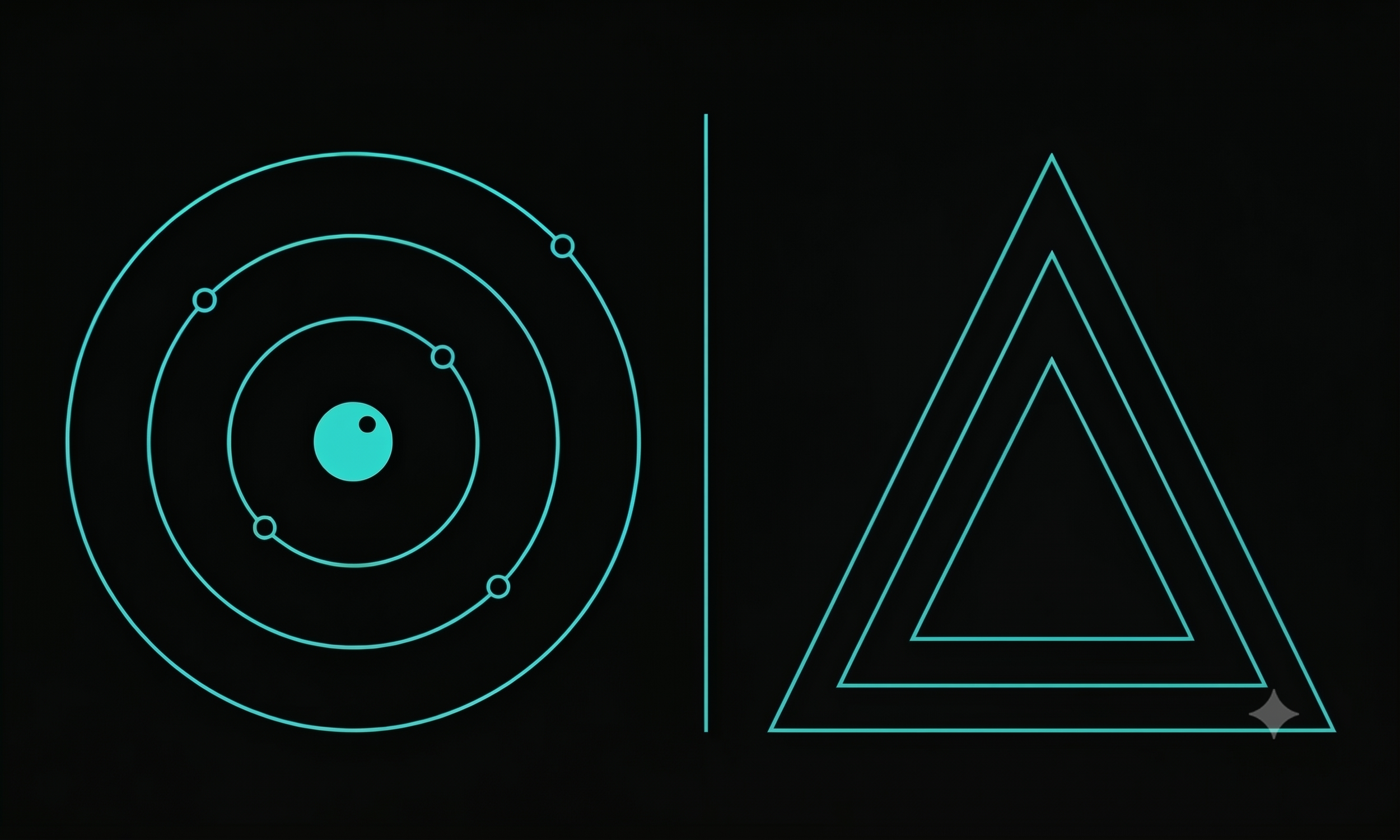
Gravity & Triangles
Two ways to create early connection in ideation sessions:
Triangles (or signposts) - this is a concept from open world gaming. Three scales are used for landmarks - Big triangles are visible from anywhere (think Cinderella’s castle at Disney…it helps orient you). Medium triangles to obstruct and reveal (you round the bend and something appears). Small triangles for tempo (little discoveries that change your button pressing).
Session design has the same three scales. Big anchors (the wall of post-its, the food table). Medium reveals (a new prompt, a room change). Small tempo shifts (a card flip, a stand up, a two-minute break). This gives them guideposts to navigate the room, to switch thinking, and to keep time.
Gravity - again, from gaming. Developers explicitly reject specific paths. Instead, they create gravity wells around landmarks, so players will orbit and find their own route. I like well placed gravity-wells: pastry table, We Engage card decks, writing walls. Participants can observe or interact at their discretion, allowing them to ease into the environment on their own.
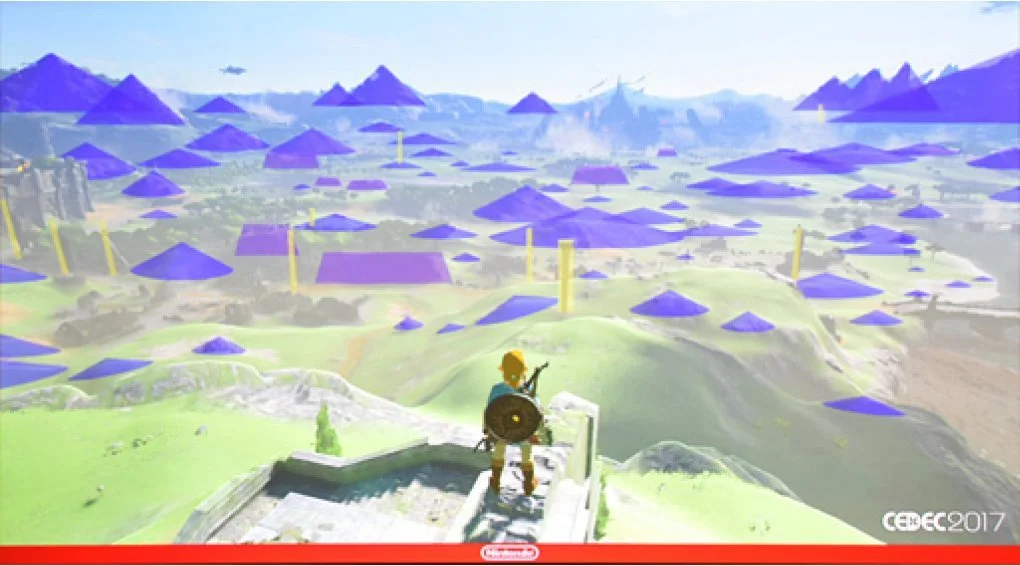
Our first job is to offer up an opportunity for connection or play in the room.
The success of an ideation session hinges on whether the team can enter into, and build a shared narrative. Don’t push group members to join the majority right away. Use Gravity and Triangles as physical cues to help them explore.
Once they are physically safe, we will layer mental techniques to build a shared reality. More on that in the next post…